DWI & intoxication
A defense can involve the traffic stop, field sobriety testing, and the collection and analysis of breath or blood evidence. A test result is one part of the case.

Protect your rights. Understand your options.
Facing criminal charges in Dallas? Get clear answers and a defense strategy built around the facts of your case.

A criminal charge can put your family, career, and reputation at risk. You deserve a defense that takes all of it seriously.
Texas Defenders represents people facing criminal charges in Dallas and across Dallas County. Whether you were arrested in Deep Ellum, cited in Oak Cliff, or charged after a stop in North Dallas, your defense starts with the facts of your case.
We evaluate the evidence, explain your options, and build a defense around your circumstances. That may mean challenging the charge, negotiating a resolution, or preparing for trial. No outcome can be guaranteed.
From a criminal citation to a felony allegation, we look at the evidence, the potential consequences, and the options available in your case.
We handle criminal Class C cases in Dallas Municipal Court. We do not handle traffic tickets.
Your lawyer should look beyond the accusation. A defense may turn on what a recording shows, whether a search was lawful, or what the State can actually prove.
Available defenses and resolutions depend on the evidence, charge, criminal history, and court.
Selected results from criminal cases handled by Texas Defenders in Dallas County. Explore the charges, our approach, and the outcome in each case.
September 2026
July 2026
November 2025
Past results do not guarantee future outcomes. Each case depends on its own facts and circumstances.
Learn who is behind your defense and why local experience and clear communication matter.
David leads the firm's criminal defense practice, handling misdemeanors and felonies across Dallas, Collin, Tarrant, and Denton counties. His approach emphasizes individual case strategy and accessible communication.
Read David's backgroundBen represents clients facing misdemeanor and felony charges across Dallas County and the greater DFW area. His practice includes DWI, drug, assault, property, and weapons cases, with an emphasis on personal attention and clear communication.
Read Ben's backgroundSelected Google review excerpts.
 Reviews
“Great service respond very quickly and answered all my questions…”
“Quick response an honest opinion…”
“They stayed on top of my case…”
The type of charge and where it was filed determine the court. Check your notice and confirm the location with your attorney.
Criminal Class C misdemeanors
Handles fine-only Class C cases within its jurisdiction, including certain public-intoxication, paraphernalia, and offensive-contact assault allegations.

Class A and Class B misdemeanors
Dallas County's county-level criminal courts generally hear Class A and Class B misdemeanor cases.
Felony cases
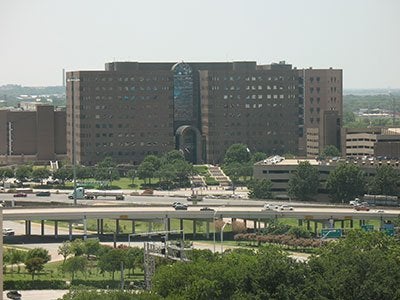
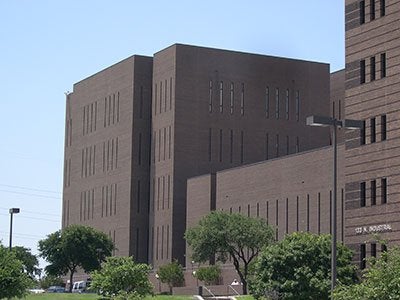
Felony cases are heard in district courts. The Frank Crowley Courts Building is at 133 N. Riverfront Boulevard, Dallas.
Rights, counsel, and bail
Texas law generally requires presentation before a magistrate without unnecessary delay and within 48 hours. The magistrate explains rights and addresses bail and the process for requesting appointed counsel.
Understand the allegation, release conditions, upcoming dates, and any urgent steps to preserve evidence. Every case follows its own timeline.
The State evaluates filing charges. Felony cases generally involve a grand jury. Your defense can include reviewing discovery and investigating independently.
Your lawyer assesses legal challenges and discusses available options. A diversion program or negotiated resolution may be appropriate when eligibility and circumstances allow.
A case may end in dismissal, a plea agreement, or trial. Afterward, ask whether any record-clearing option is available and what requirements apply.
A grand jury's “no bill” means it declined to indict at that time; it is not a trial acquittal or a guarantee against later prosecution. Court settings, available procedures, and timing vary by case.

We represent clients throughout the city, from Downtown and Deep Ellum to Oak Cliff, North Dallas, and the neighborhoods in between.
Downtown · Oak Cliff · Deep Ellum · North Dallas · Pleasant Grove · Lake Highlands · South Dallas / Fair Park · West Dallas · Uptown · Bishop Arts · Knox–Henderson · East Dallas / Casa View
Practical answers to the questions that come up when you are deciding what to do next.
Ask about your caseYes. A Class C misdemeanor is a criminal offense, generally punishable by a fine rather than jail for the offense itself. It can still create a criminal record. Ask an attorney about the charge, possible resolutions, and any separate record-clearing requirements.
Yes. A result above the legal limit does not eliminate every defense. The stop, arrest, sample collection, testing procedures, and admissibility of the evidence may still need examination. A dismissal or reduction depends on the particular facts and law.
An alleged victim cannot unilaterally end a criminal prosecution. An affidavit of non-prosecution may communicate that person's wishes, but the State can continue based on other evidence. It does not guarantee dismissal, and existing protective orders or no-contact conditions must still be followed.
It depends on the court and the case's stage. A setting may address scheduling, counsel, a plea, or other matters. Read your notice carefully, follow your attorney's instructions, and allow extra time. Do not assume your first appearance is only a formality.
There is no dependable timeline for every case. The charge, court docket, evidence, testing, motions, and whether the case goes to trial all affect timing. Your attorney can explain the current posture and update expectations as the case develops.
It can, even without a conviction. A dismissal does not automatically erase the arrest record. Expunction or an order of nondisclosure may be available in qualifying cases, but eligibility, waiting periods, and exclusions must be assessed individually.
Expunction removes qualifying records under Texas law. Nondisclosure restricts public disclosure of eligible records, while specified agencies may retain access. Completing deferred adjudication does not make everyone eligible, and certain convictions may have separate nondisclosure options. Neither remedy should be assumed automatic.
Potential outcomes depend on the evidence, charge, prior record, and program requirements. Search issues or weaknesses in proof may matter. Diversion is available only when the person and case meet the applicable criteria; it is not a promised result.
Fees depend on the charge, complexity, and work required. Texas Defenders offers a free consultation so you can discuss your circumstances and ask about representation and fees. A consultation does not obligate you to hire the firm.
Tell us what you are facing. We'll help you understand the questions to ask, the options to consider, and how a Dallas criminal defense lawyer can help.
(214) 306-9696Texas Defenders
3302 Swiss Circle · Dallas, TX 75204
Texas Defenders is committed to answering your questions about Criminal Defense law issues in Texas.
We offer a free consultation and we will gladly discuss your case with you at your convenience. Contact us today to schedule a free consultation.